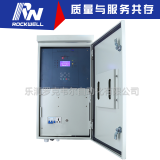
the mian function Introduction
1.
Intelligent energy management is its core highlight.
The Energy Management
System (EMS) can intelligently plan the storage and release strategies of
electrical energy based on household electricity consumption habits, real-time
electricity prices and the power generation situation of renewable energy. For
instance, photovoltaic power generation should be given priority, surplus
electricity should be stored, and battery power supply should be activated when
there is a power shortage to maximize energy utilization.
2.
The power supply stability is strong. The home energy storage system supports
free switching between grid-connected and off-grid modes.
When the power grid
is normal, it supplies power in coordination to enhance the stability of
electricity usage. In the event of sudden situations such as power outages and
bad weather, it can respond within milliseconds and automatically switch to
off-grid mode to ensure that critical loads such as refrigerators and medical
equipment are not disconnected, providing a solid power guarantee for the
family.
3.
Significantly reduce electricity costs.
By taking advantage
of the price difference between peak and off-peak hours, charge during the
off-peak hours and discharge during the peak hours to reduce the consumption of
high-priced electricity. If a household is equipped with solar panels, it can also
store surplus electricity for its own use through an energy storage system,
reducing reliance on the power grid. In the long run, this can significantly
cut electricity bills.
4.
No-installation design and flexible stacking solutions.
No installation
required. Just connect the wires after opening the box and it's ready to use.
This energy storage system adopts a modular design, allowing for the free
combination of battery capacity and system scale according to the household's
electricity demand.
5.
Perfect protection function.
The system is
equipped with a complete self-check and protection function, which can monitor
parameters such as battery status, voltage and current in real time. It has
overcharge, over-discharge and short-circuit protection mechanisms, reducing
the risk of failure and making maintenance simple and worry-free.
6.
Green environmental protection and ecological integration.
|
Product module |
RH-LESS-5-5K |
RH-LESS-5-10K |
RH-LESS-5-15K |
||
|
Battery capacity |
5.12kWH |
10.24kWH |
15.36kWH |
||
|
Rated discharge current |
50A |
50A |
50A |
||
|
Maximum discharge current |
100A |
100A |
100A |
||
|
Standard battery unit voltage |
51.2V |
51.2V |
51.2V |
||
|
Maximum DC charging voltage |
57.6V |
57.6V |
57.6V |
||
|
Single Cluster Battery Pack |
16S1P |
16S2P |
16S3P |
||
|
Rated discharge current |
5kW |
5kW |
5kW |
||
|
Rated PV charging voltage |
360VDC |
||||
|
MPPT tracking range |
120-450V |
||||
|
MPPT track number |
1 |
||||
|
Grid input voltage(phase voltage) |
170~280V(UPS)/120~280V(INV) |
||||
|
Input frequency |
45~65Hz |
||||
|
Maximum grid input current |
60A single |
||||
|
Maximum PV input current |
100A single |
||||
|
Ac access mode |
L+N+PE |
||||
|
Inverter |
Rated output voltage |
230V+N |
The output electric energy standard is applicable to most countries or regions such as Chinese mainland, Hong-Kong, Macao, North Korea, Australia, South Asia, the Middle East, Europe, Africa, South America, etc., and customers in non-above regions can customize according to the customer's local electric energy standard. |
||
|
Rated output frequency |
48~52HZ (58~62HZ) |
||||
|
System efficiency |
86~94% |
||||
|
Grid following |
Rated output voltage |
Follow the grid |
|||
|
Rated output frequency |
Follow the grid |
||||
|
System efficiency |
99% |
||||
|
Battery no load loss |
≤1% |
||||
|
Power grid no load loss |
≤0.5% |
||||
|
Cooling mode |
Forced air cooling |
||||
|
Operating environment |
Temperature: -10~40℃ Humidity: 20~95RH% |
||||
|
Maximum working altitude |
2000m(> 2000m load reduction required) |
||||
|
Protection |
Battery under (over) voltage protection/overload protection/over temperature protection/short circuit protection |
||||
|
Class of protection |
IP20 |
||||
|
Operation mode |
Mains priority/PV priority/battery priority |
||||
|
Picture |

|
||||
|
Product module |
RH-SESS-5-5K |
RH-SESS-5-10K |
RH-SESS-5-15K |
RH-SESS-5-20K |
||
|
Battery capacity |
5.12kWH |
10.24kWH |
15.36kWH |
20.48kWH |
||
|
Rated discharge current |
50A |
50A |
50A |
50A |
||
|
Maximum discharge current |
100A |
100A |
100A |
100A |
||
|
Standard battery unit voltage |
51.2V |
51.2V |
51.2V |
51.2V |
||
|
Maximum DC charging voltage |
57.6V |
57.6V |
57.6V |
57.6V |
||
|
Single Cluster Battery Pack |
16S1P |
16S2P |
16S3P |
16S4P |
||
|
Rated discharge current |
5kW |
5kW |
5kW |
5kW |
||
|
Rated PV charging voltage |
360VDC |
|||||
|
MPPT tracking range |
120-450V |
|||||
|
MPPT track number |
1 |
|||||
|
Grid input voltage(phase voltage) |
170~280V(UPS)/120~280V(INV) |
|||||
|
Input frequency |
45~65Hz |
|||||
|
Maximum grid input current |
60A single |
|||||
|
Maximum PV input current |
100A single |
|||||
|
Ac access mode |
L+N+PE |
|||||
|
Inverter |
Rated output voltage |
230V+N |
The output electric energy standard is applicable to most countries or regions such as Chinese mainland, Hong-Kong, Macao, North Korea, Australia, South Asia, the Middle East, Europe, Africa, South America, etc., and customers in non-above regions can customize according to the customer's local electric energy standard. |
|||
|
Rated output frequency |
48~52HZ (58~62HZ) |
|||||
|
System efficiency |
86~94% |
|||||
|
Grid following |
Rated output voltage |
Follow the grid |
||||
|
Rated output frequency |
Follow the grid |
|||||
|
System efficiency |
99% |
|||||
|
Battery no load loss |
≤1% |
|||||
|
Power grid no load loss |
≤0.5% |
|||||
|
Cooling mode |
Forced air cooling |
|||||
|
Operating environment |
Temperature: -10~40℃ Humidity: 20~95RH% |
|||||
|
Maximum working altitude |
2000m(> 2000m load reduction required) |
|||||
|
Protection |
Battery under (over) voltage protection/overload protection/over temperature protection/short circuit protection |
|||||
|
Class of protection |
IP20 |
|||||
|
Operation mode |
Mains priority/PV priority/battery priority |
|||||
|
Picture |

|
|||||
|
Product module |
RH-CESS-5-5K |
RH-CESS-5-10K |
RH-CESS-5-15K |
RH-CESS-5-20K |
||
|
Battery capacity |
5.12kWH |
10.24kWH |
15.36kWH |
20.48kWH |
||
|
Rated discharge current |
50A |
50A |
50A |
50A |
||
|
Maximum discharge current |
100A |
100A |
100A |
100A |
||
|
Standard battery unit voltage |
51.2V |
51.2V |
51.2V |
51.2V |
||
|
Maximum DC charging voltage |
57.6V |
57.6V |
57.6V |
57.6V |
||
|
Single Cluster Battery Pack |
16S1P |
16S2P |
16S3P |
16S4P |
||
|
Rated discharge current |
5kW |
5kW |
5kW |
5kW |
||
|
Rated PV charging voltage |
360VDC |
|||||
|
MPPT tracking range |
120-450V |
|||||
|
MPPT track number |
1 |
|||||
|
Grid input voltage(phase voltage) |
170~280V(UPS)/120~280V(INV) |
|||||
|
Input frequency |
45~65Hz |
|||||
|
Maximum grid input current |
60A single |
|||||
|
Maximum PV input current |
100A single |
|||||
|
Ac access mode |
L+N+PE |
|||||
|
Inverter |
Rated output voltage |
230V+N |
The output electric energy standard is applicable to most countries or regions such as Chinese mainland, Hong-Kong, Macao, North Korea, Australia, South Asia, the Middle East, Europe, Africa, South America, etc., and customers in non-above regions can customize according to the customer's local electric energy standard. |
|||
|
Rated output frequency |
48~52HZ (58~62HZ) |
|||||
|
System efficiency |
86~94% |
|||||
|
Grid following |
Rated output voltage |
Follow the grid |
||||
|
Rated output frequency |
Follow the grid |
|||||
|
System efficiency |
99% |
|||||
|
Battery no load loss |
≤1% |
|||||
|
Power grid no load loss |
≤0.5% |
|||||
|
Cooling mode |
Forced air cooling |
|||||
|
Operating environment |
Temperature: -10~40℃ Humidity: 20~95RH% |
|||||
|
Maximum working altitude |
2000m(> 2000m load reduction required) |
|||||
|
Protection |
Battery under (over) voltage protection/overload protection/over temperature protection/short circuit protection |
|||||
|
Class of protection |
IP20 |
|||||
|
Operation mode |
Mains priority/PV priority/battery priority |
|||||
|
Picture |

|
|||||